
Key Takeaways
- Safety in memory care supports independence, not just protection.
- Round-the-clock staffing, secured entries, and alert systems form the foundation.
- Thoughtful design details like contrasting colors and clear sightlines guide residents naturally.
- Predictable routines help reduce agitation and wandering.
- Trained team members recognize needs and respond with warmth.
- The Gardens of Carleton blends careful design with genuine connection.
What Makes Memory Care Safety So Thoughtful
When a loved one lives with Alzheimer’s or another form of dementia, safety is often the first thing on your mind. At The Gardens of Carleton, that concern shapes every detail. You might picture secured doors and alarm buttons, and those matter. But the truth is, some of the smartest safety features are the ones you’d never notice at first glance.
Memory care safety works best when it quietly supports daily life, combining trained staff, predictable routines, and thoughtful design so residents can stay safe while still enjoying freedom, comfort, and connection.
Why Safety Matters So Much in Memory Care
Memory changes can make familiar places feel confusing. A resident might forget where a hallway leads or feel the urge to wander in search of something comforting. These moments are normal, and good safety design helps turn them into calm experiences instead of stressful ones.
Here’s the encouraging part. Safety and independence go hand in hand. When the environment gently guides someone, they can move around freely, join activities, and enjoy their day without constant redirection.
For family members, this brings real peace of mind. You can rest a little easier knowing your loved one is somewhere thoughtful, warm, and watchful.
Common Safety Features You Already Expect
Some safety features are exactly what most families look for right away. They form the backbone of a supportive community and give everyone a strong starting point.
- Round-the-clock staffing so someone is always nearby, day or night.
- Secured entries and exits that gently prevent wandering while keeping spaces welcoming.
- Emergency alert buttons and wearable pendants that call for help in seconds.
These pieces work quietly in the background. And while they’re expected, they still make a real difference in daily life within a supportive community.
Hidden Design Features That Keep Residents Safe
This is where memory care gets interesting. Many safety features are built right into the walls, floors, and furniture, so they protect without drawing attention.
Smart Interior Layouts
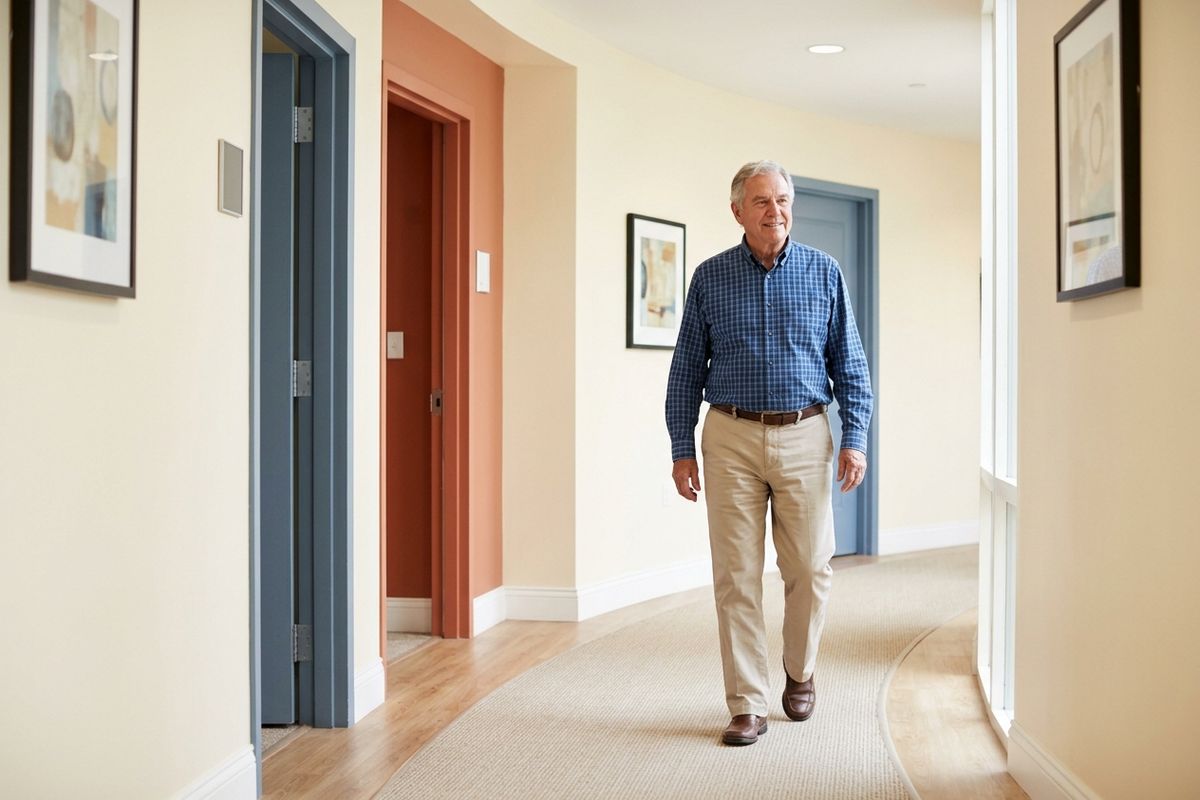
The way a community is laid out can help someone find their way with less stress. Contrasting colors make it easier to tell a doorway from a wall or a chair from the floor. That small detail helps residents move around with more ease.
Clear sightlines also matter. When hallways loop back instead of ending abruptly, a resident is less likely to feel stuck or frustrated. Even, gentle lighting reduces shadows that might cause confusion, so rooms feel calm and easy to read at any hour.
Everyday Room Details
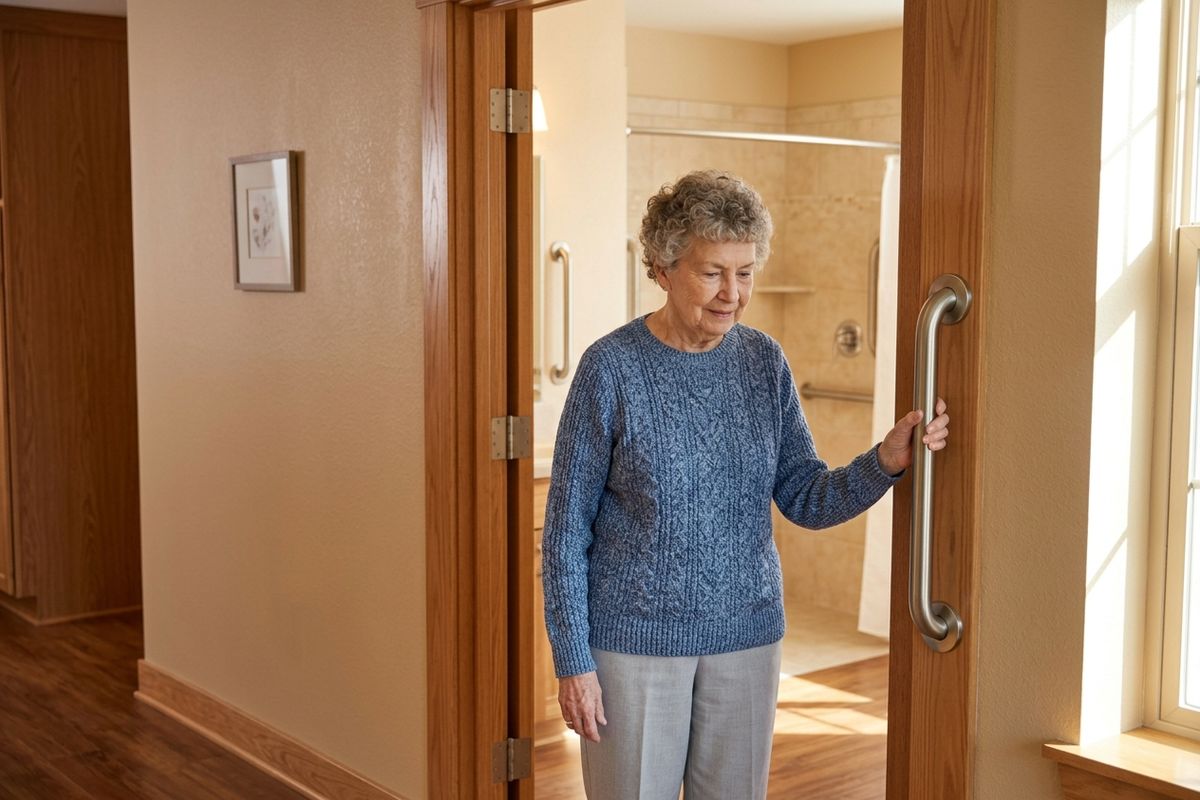
Look closely at a resident’s room and you’ll spot safety woven into the details. Grab bars near beds and bathrooms offer steady support, while non-slip surfaces help prevent falls on smooth floors.
Other thoughtful touches include:
- Rounded furniture edges that soften bumps and knocks.
- Secured shelving that stays firmly in place.
- Regulated water temperatures to protect delicate skin.
- Carefully managed food temperatures for comfortable, safe meals.
None of these features shout for attention. Instead, they blend into a warm, welcoming setting.
Routines and Trained Staff That Add Protection
Safety isn’t only about the building. So much of it comes from the people and the rhythm of each day.
Predictable Daily Schedules
A consistent routine can be deeply comforting. When meals, activities, and personal care happen around the same time each day, residents know what to expect, and that sense of order feels reassuring.
Structured programs also help reduce agitation and the urge to wander. A resident who feels engaged and settled is calmer, which makes each day smoother for everyone.
Specially Trained Team Members
The team plays a big role in keeping residents safe and content. Trained staff can spot when someone feels distressed and respond in ways that soothe rather than startle.
Their approach often includes:
- Gentle, patient communication that validates how a resident feels.
- A calm presence during moments of confusion or worry.
- An understanding of the reasons behind certain behaviors.
When staff know that a behavior often signals an unmet need, like hunger, tiredness, or a wish for company, they can respond with care instead of correction.
How to Choose a Community That Values Every Detail
As you tour communities, try to look beyond a simple checklist. Notice the thoughtful design, the colors, the lighting, and how easy the spaces feel to navigate. These details tell you a lot about the care behind them.
Ask plenty of questions too. Learn how the team is trained, what daily routines look like, and how staff respond during tough moments. The answers can reveal how deeply a community truly cares.
At The Gardens of Carleton, memory care blends careful design with genuine human connection. If you’d like to see how these details come together, reach out to schedule a visit and experience the warmth for yourself.