

Key Takeaways
- Sleep patterns naturally change with age, often becoming lighter and more fragmented.
- Earlier bedtimes, earlier wake times, and occasional daytime naps are common among older adults.
- Signs of poor sleep may include daytime fatigue, difficulty concentrating, mood changes, and reduced participation in activities.
- Changes in routine, limited physical activity, and reduced social engagement can contribute to sleep challenges.
- Consistent schedules, regular activity, and meaningful social connections can help support healthier sleep habits.
- Assisted living communities provide structure, engagement, and support that can promote a healthy balance between daytime activity and nighttime rest.
The Link Between Sleep Patterns and Aging
If you’ve noticed an aging parent sleeping more or less than they used to, it’s natural to wonder whether the change is part of normal aging or something else. Sleep habits often shift over time, and older adults may experience different sleep patterns than they did earlier in life.
While some changes are expected, significant differences in sleep can sometimes signal that it’s worth taking a closer look at their daily routine and overall well-being. Sleep is closely connected to physical health, mental wellness, and quality of life. Rather than focusing only on the number of hours a loved one spends asleep, it’s important to consider how rested, engaged, and active they feel during the day.
How Sleep Habits Change with Age
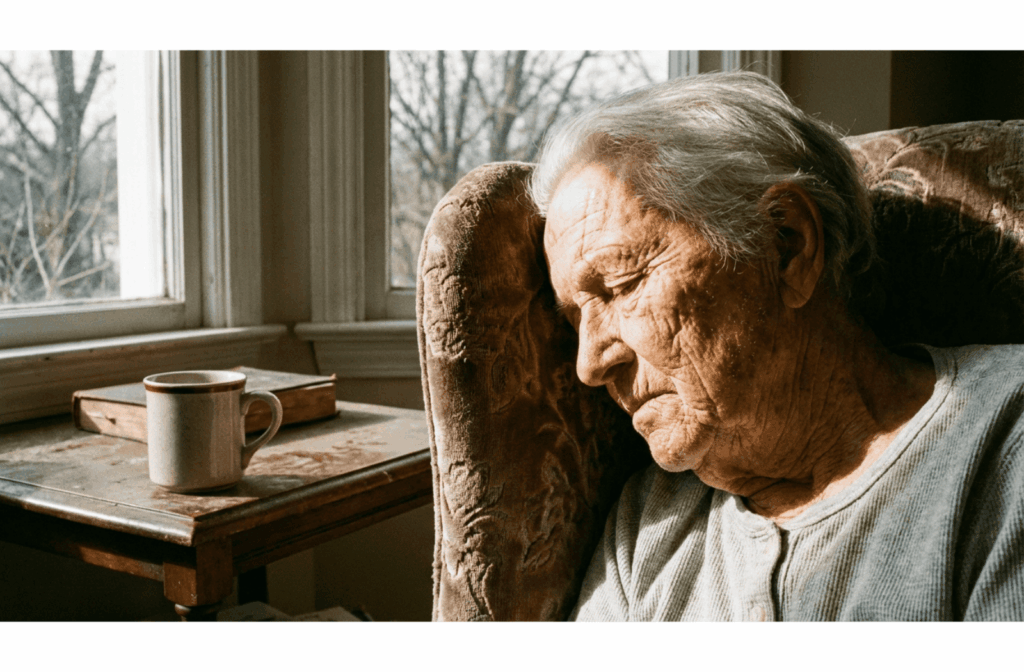
As people age, their internal sleep-wake cycle naturally shifts. Many older adults become tired earlier in the evening and wake up earlier in the morning. Sleep also tends to become lighter, which can lead to more frequent waking throughout the night and a feeling that sleep isn’t as restorative as it once was.
It’s also common for older adults to take short naps during the day. While occasional napping can be beneficial, fragmented sleep and changing routines may make it harder to maintain a consistent sleep schedule. These changes are often a normal part of aging and do not necessarily indicate a serious problem.
How to Tell if a Loved One Isn’t Sleeping Enough
A lack of quality sleep can affect much more than energy levels. Over time, poor sleep may influence mood, concentration, and participation in daily activities.
Some signs that an older adult may not be getting enough quality sleep include:
- Feeling tired throughout the day
- Difficulty focusing or concentrating
- Increased irritability or mood changes
- Frequent daytime naps
- Reduced interest in hobbies or activities
- Less engagement in social interactions
Noticing one or more of these signs may indicate it’s time to take a closer look at your loved one’s sleep habits and daily routine.
Common Causes of Sleep Loss in Seniors
Many factors can contribute to changes in sleep patterns. Identifying possible causes can help families better understand what may be affecting their loved one’s rest.
Changes to Daily Routine
Major life transitions can affect sleep habits. Retirement, spending more time at home, or a reduction in daily responsibilities may lead to less structure throughout the day. Without consistent routines, some older adults find it more difficult to maintain regular sleep schedules.
Reduced Physical Activity
Physical activity plays an important role in healthy sleep. When older adults spend less time moving throughout the day, they may not feel as naturally tired at bedtime. Even gentle activities such as walking, stretching, or fitness classes can help support more restful sleep.
Limited Social Engagement
Social connection can influence sleep quality in surprising ways. Spending less time with friends, family, or community members may contribute to boredom and inactivity. Regular social interaction helps create purpose and structure while encouraging a more active lifestyle, which often translates into better sleep at night.
How to Help an Older Loved One Sleep Better
Healthy sleep often starts with healthy daily habits. Small adjustments to routines and activities can make a meaningful difference.
Encourage Consistent Daily Habits
Going to bed and waking up at roughly the same time each day can help regulate the body’s internal clock. Consistent meal times and daily schedules can also support better sleep patterns. Predictability often helps the body establish a healthy rhythm.
Support Physical and Mental Activity
Staying active throughout the day can encourage better rest at night. Physical movement, hobbies, games, reading, and other engaging activities help keep both the body and mind involved. A full and active day often leads to a more restful evening.
Create Opportunities for Social Connection
Regular interaction with others can help older adults stay engaged and connected. Family visits, community events, volunteer opportunities, and group activities all provide valuable social stimulation. Meaningful connections often support both emotional wellness and healthy daily routines.
How a Supportive Environment Promotes Balance
Daily structure can be difficult to maintain when someone lives alone or has limited opportunities for activity and connection. Assisted living communities are designed to provide support while encouraging residents to remain active, engaged, and independent.
Some of the ways assisted living can support healthy sleep habits include:
- Consistent daily schedules
- Chef-prepared meals served at regular times
- Social opportunities throughout the day
- Fitness and wellness programs
- Fewer household responsibilities
- Personalized support when needed
When days are filled with meaningful activities, social connection, and predictable routines, healthy sleep habits often follow. Assisted living can help create a balanced lifestyle that supports both daytime engagement and nighttime rest.
Give Your Loved One the Life They Deserve
Changes in sleep habits are common as people age, but they should always be viewed within the larger picture of a person’s overall well-being. Paying attention to energy levels, daily routines, social engagement, and activity levels can help families determine whether a loved one’s sleep patterns are supporting a healthy lifestyle.
At Gardens of Carleton, we understand the importance of balancing rest, activity, and meaningful connection. Our assisted living community provides opportunities for engagement, support, and daily structure that help residents continue enjoying the life they love. Schedule a tour at Gardens of Carleton today to learn more about our assisted living lifestyle.