Key Takeaways
- A stroke happens when blood flow to the brain is interrupted, which can affect a person’s physical abilities, communication, and emotions.
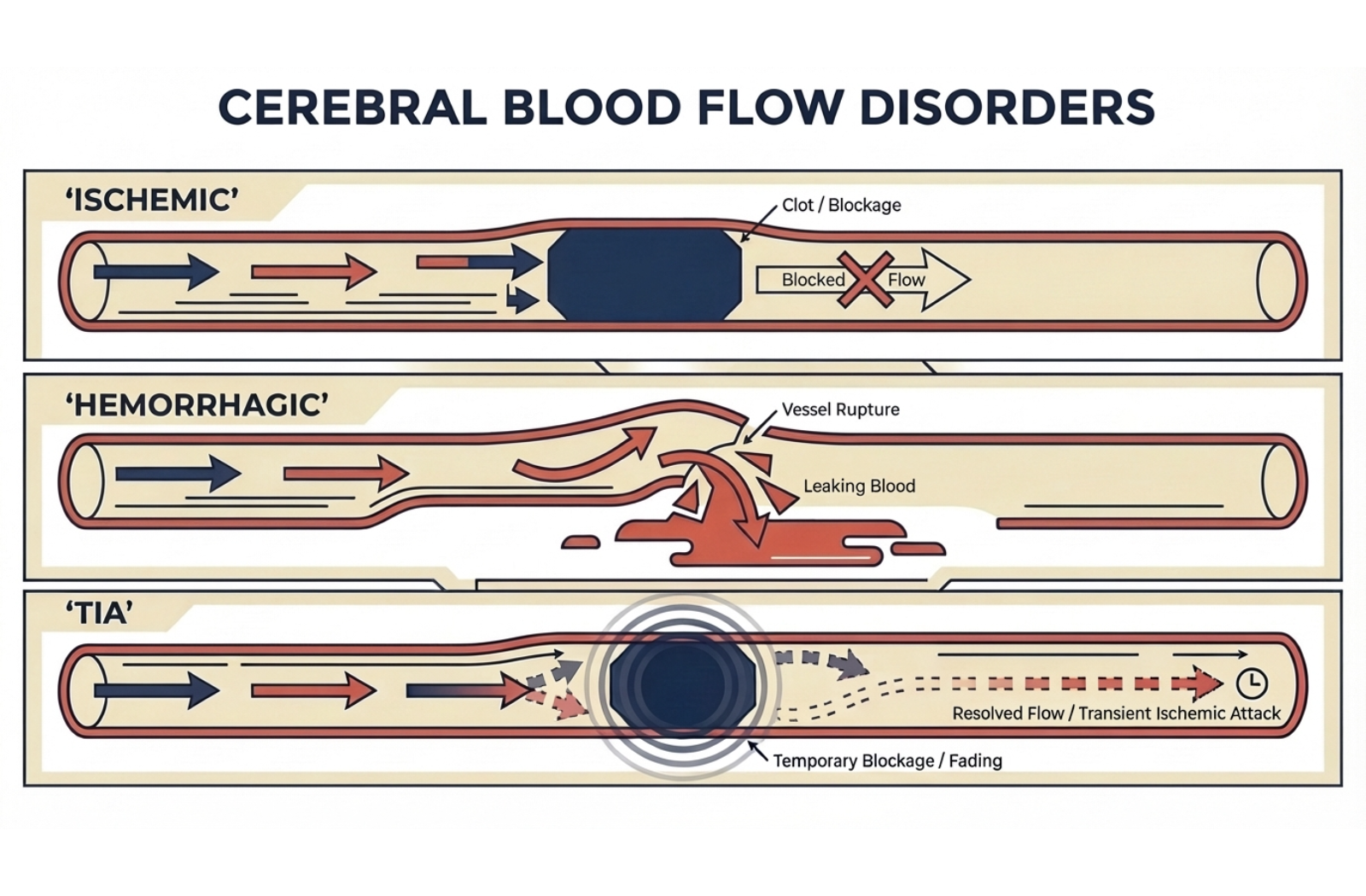
- The main types include ischemic strokes, caused by blockages, and hemorrhagic strokes, caused by a ruptured blood vessel.
- A transient ischemic attack (TIA) is a temporary blockage that serves as an important warning sign for the future.
- Support systems like assisted living and memory care can provide the right level of help to promote an engaged and fulfilling life after a stroke.
Know the Effects of a Stroke on Seniors
When you hear the word “stroke,” it can bring up a lot of questions. You may wonder what it means for a person’s future and how their daily life might change. At communities like Gardens of Carleton, the focus is on providing supportive care that adapts to these changes. Understanding the basics can help you navigate the path forward with more clarity and peace of mind.
A stroke is an event that interrupts blood flow to the brain, and while it can affect abilities, a supportive environment can help a person adapt and continue to lead a meaningful life. The journey after a stroke is unique for everyone, but with the right services and support, it often involves adjusting to new routines and finding different ways to approach daily tasks with success.
What a Stroke Means for the Brain
Think of your brain like a busy city that needs a constant supply of energy to function. Blood vessels act as the highways that deliver oxygen, and a stroke occurs when one of these highways gets blocked or breaks. When the blood supply is cut off, brain cells do not get what they need.
The effects depend on which part of the brain is involved and how much it is affected. This is why a stroke can lead to a wide range of changes in a person’s abilities. Learning about the different types of dementia can also provide context, as vascular dementia can be related to stroke.
A Look at Different Stroke Types
Not all strokes are the same, and understanding the differences can help you know what to expect. They are generally categorized based on their cause, whether it is a blockage or a bleed. Each type requires a different approach to care and recovery.
Ischemic Stroke
An ischemic stroke is the most common type and happens when a blood vessel to the brain is blocked. This blockage is often caused by a blood clot that stops blood from reaching brain tissue.
Hemorrhagic Stroke
A hemorrhagic stroke is less common and occurs when a blood vessel in the brain leaks or ruptures. The resulting bleed can put pressure on brain cells, and high blood pressure is often a contributing factor.
Transient Ischemic Attack (TIA)
A transient ischemic attack (TIA), or “mini-stroke,” is a temporary blockage with symptoms that last for a short time. Though brief, a TIA is a critical warning sign that can indicate a higher likelihood of a future stroke.
How a Stroke Can Affect Daily Life
The journey after a stroke is a process of adaptation for the individual and their family. With patience and support, you can find new ways to manage changes and enjoy daily activities.
Physical Changes
Physical adjustments are often noticeable first. A person might experience challenges with balance or have weakness on one side of the body, making everyday activities of daily living, like buttoning a shirt, more difficult.
Communication and Cognitive Shifts
A stroke can also affect communication. You might notice a person has trouble finding the right words or recalling recent events. Some also experience shifts in their ability to concentrate or solve problems.
Emotional Adjustments
Emotional changes are also common. The part of the brain that manages emotions can be affected, leading to mood shifts. Adjusting to new routines can also bring feelings of frustration or sadness, showing that emotional support is needed.
The Role of Support After a Stroke
A positive environment can make a significant difference after a stroke. The right support helps individuals adapt and continue to find joy. Different care options are designed to meet these specific needs.
Support Through Assisted Living
For those who need some help with daily activities, assisted living offers a great balance of support and independence. You can receive help with personal care and meals, freeing up time to focus on social events.
Specialized Memory Care
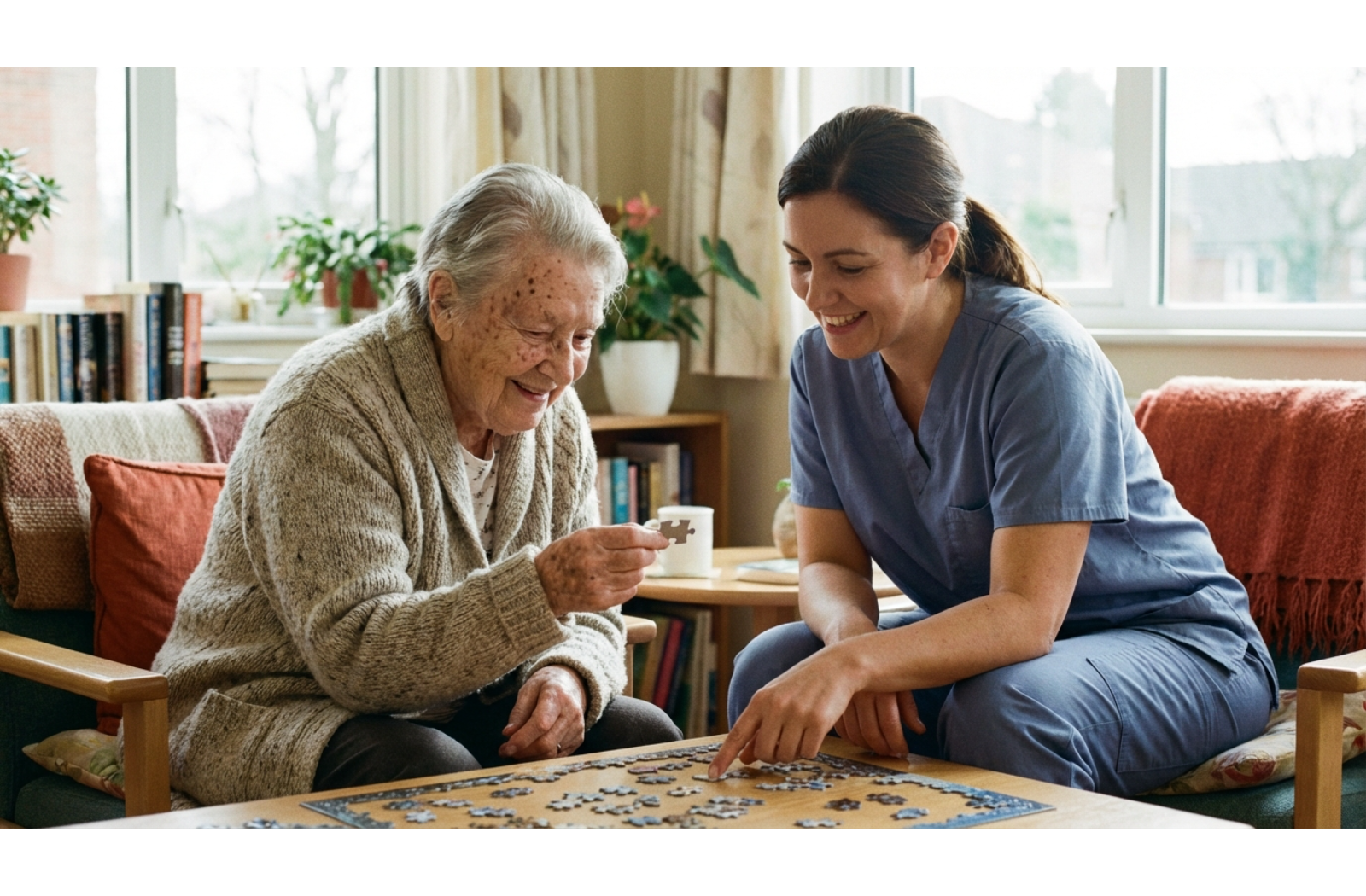
If a stroke leads to cognitive changes, memory care provides a safe and structured setting. Consistent routines and specially trained staff help residents feel secure and engaged in tailored activities.
Flexible Help with Respite Care
Respite care offers a temporary stay in a senior living community. It can be helpful during recovery or provide a family caregiver a break, which can ease caregiver burnout.
Find a Fulfilling Life with the Right Care
A stroke is a journey of adaptation, but it does not have to limit a person’s ability to live an engaged life. With the right approach, it is possible to find new ways to enjoy favorite hobbies and focus on what a person can do. Social connection and purposeful events and activities in a positive atmosphere are powerful tools for well-being.
At The Gardens of Carleton, the focus is always on the individual. Whether through assisted living, memory care, or respite care, the goal is to provide a supportive senior living community where every person can find connection and enrichment. To learn more about the lifestyle and care options, you are invited to schedule a visit and see the community firsthand.