
Key Takeaways
- Your daily food choices can positively impact your heart health and cholesterol levels, both your “good” and “bad” cholesterol.
- Simple swaps can make a meaningful difference over time, like choosing lean proteins and healthy fats.
- Adding more fiber from foods like oats, fruits, and vegetables helps your body lower LDL cholesterol levels.
- A supportive community environment can make it easier to maintain healthy eating habits every day.
- Reading food labels and planning meals are practical steps you can take to support your wellness.
A Guide to Nutrition and Heart Health
As you get older, managing your cholesterol often becomes a bigger focus for your overall well-being. The great news is that you have a powerful tool at your disposal—the food you choose to eat every day.
At The Gardens of Carleton, our focus is on making it easier and tastier to make a few thoughtful adjustments to meals and snacks that help support your heart health so you can continue to enjoy an active, fulfilling life.
Our approach isn’t about restriction. Instead, it’s about discovering new, delicious ways to nourish your body. Making simple food choices, such as increasing fiber and lean protein intake, is a practical way to manage cholesterol and support your overall heart health.
How Your Diet Connects to Heart Health
The link between what you eat and your cholesterol levels is direct—for both “good” and “bad” cholesterol. Some foods can contribute to higher “bad” or low-density lipoprotein (LDL) cholesterol, while others can help your body manage it effectively.
A balanced diet does more than support your heart. It also provides the energy you need for hobbies, social events, and time with family.
Think of high-fiber foods as your body’s helpers. They work with your natural processes (including supporting the job of “good” cholesterol) to help clear out LDL cholesterol and fatty buildups in your arteries.
Foods rich in saturated fats can sometimes raise LDL cholesterol levels, narrowing your arteries and increasing the risk of significant health problems.
A mindful approach to what’s on your plate is a key part of a proactive plan for your health.
Simple Food Swaps for a Healthier Heart
You don’t have to change your entire diet overnight. Small, consistent swaps can add up and make a big difference over time. It can be helpful to think about what you can add to your plate rather than just what to remove. Here are a few simple ideas to get you started.
Choose Lean Proteins
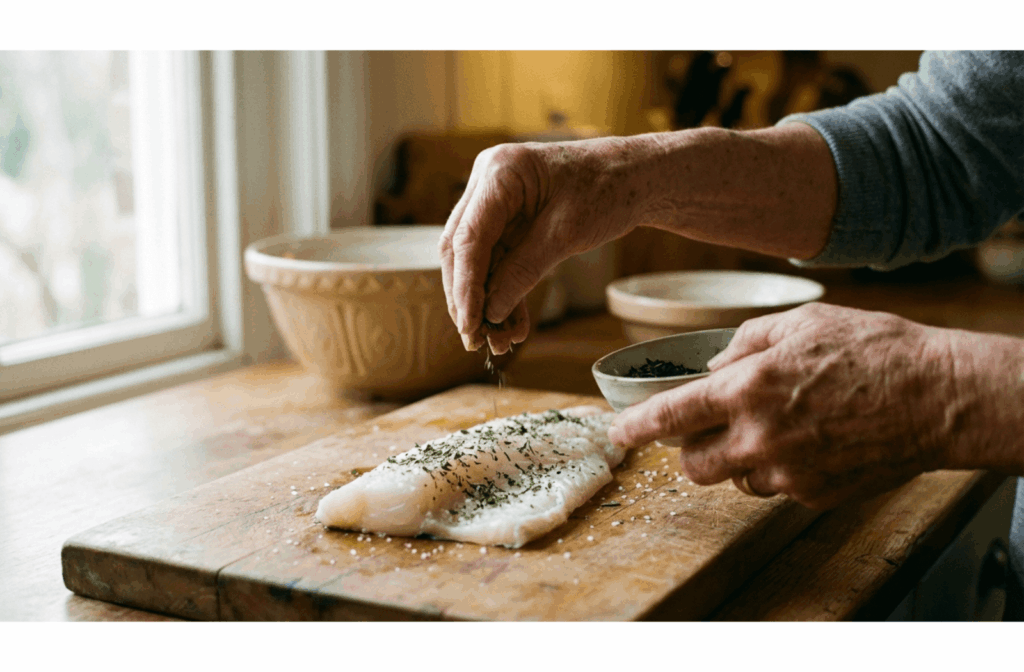
Protein is vital for maintaining muscle strength and overall function. By choosing lean sources, you can get all the benefits without the extra saturated fat. You can try baking or grilling instead of frying, and understand how to choose quality protein sources for seniors.
You can try fish like salmon, which contains heart-healthy omega-3 fatty acids, or incorporate skinless chicken and turkey into your meals. Plant-based proteins are also suitable choices, so consider adding more beans, lentils, and chickpeas to your soups and salads.
Add More Fiber to Your Plate
Soluble fiber is particularly helpful for managing cholesterol. And it’s easy to find in many common, delicious foods. Adding more high-fiber foods to your diet can be a gradual process that starts with your very first meal of the day.
You might begin your morning with a warm bowl of oatmeal or a high-fiber cereal. For snacks, reach for fruits like apples, bananas, and oranges. Including plenty of vegetables and whole grains with your lunch and dinner also boosts your fiber intake in a satisfying way.
Select Healthy Fats
Not all fats are the same, and some are very good for you. Unsaturated fats can support good heart health, and there are many simple ways to include them in your diet.
A few small changes can help you get more of these beneficial fats. Understanding your recommended food groups can help you make tasty, heart-healthy food choices.
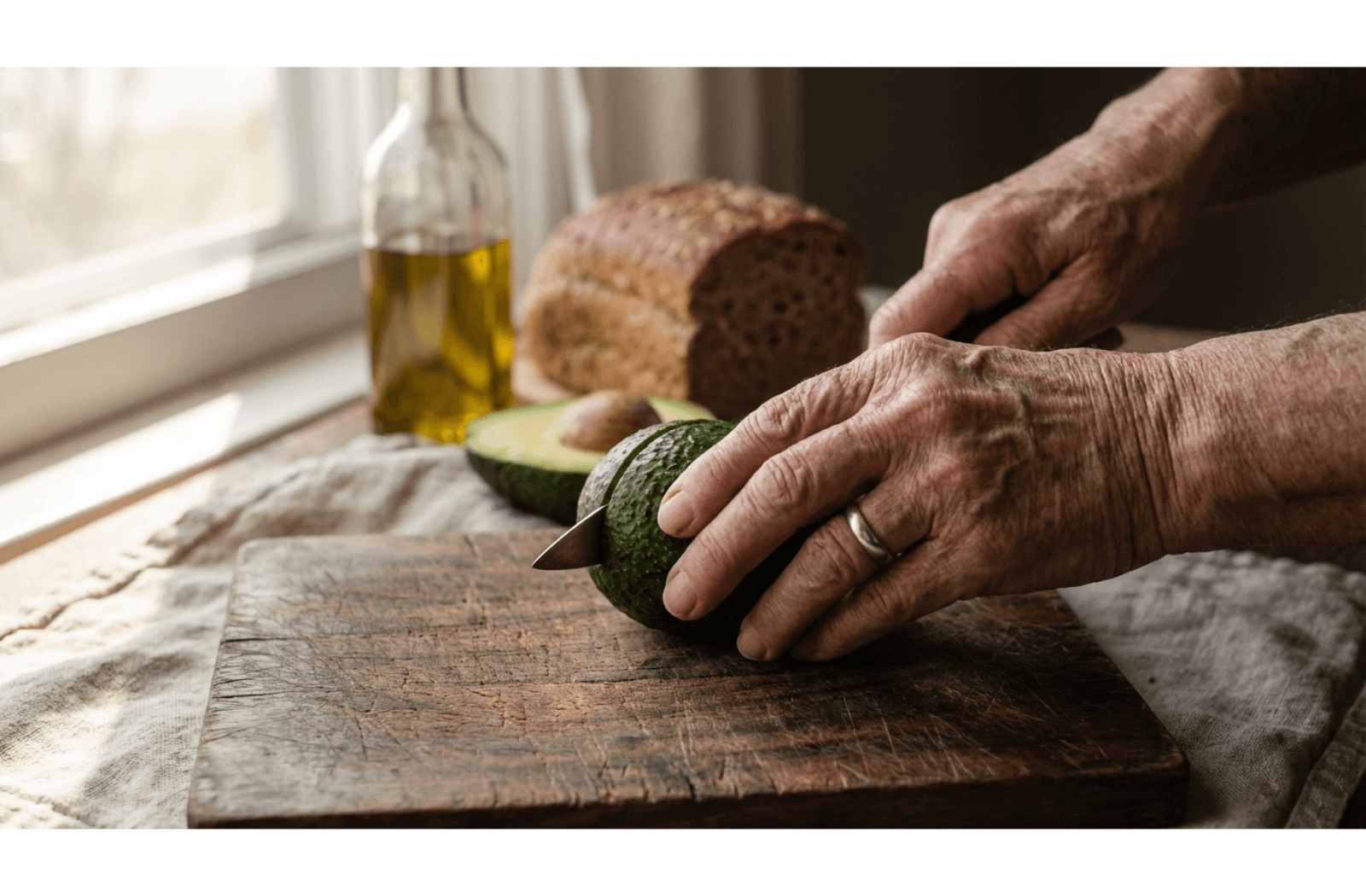
You can use olive oil for cooking or as a base for salad dressings. Snacking on a small handful of nuts or seeds is another great option. Avocados are also a versatile source of healthy fats that you can add to sandwiches, toast, salads, eggs, and more.
How Community Support Encourages Healthy Habits
Maintaining a heart-healthy diet is often easier when your environment supports your goals.
In a senior living community, the focus is on providing a lifestyle that promotes well-being in every way, including through nutrition. You can find chef-prepared meals that are both delicious and balanced, which takes the guesswork out of healthy eating.
In assisted living, this support is part of your daily life, with nutritious dining integrated into the day. Specialized memory care programs feature thoughtfully planned meals to support both physical and cognitive wellness.
Even short-term respite care can give you a chance to experience how a supportive setting makes healthy living simpler.
Feel Revitalized with a Heart-Healthy Diet
Managing high cholesterol is a journey, and every positive choice you make is a step in the right direction. By focusing on simple food swaps and practical daily habits, you can take an active role in your own heart health.
When you can make healthy choices that taste delightful every day, you can focus on what truly matters—living a full and connected life.
At The Gardens of Carleton, our focus is on creating a fulfilling life where supportive services, including nutritious dining, are part of the everyday experience. Discover a community where care and connection help you live well.